


Historic Market Town
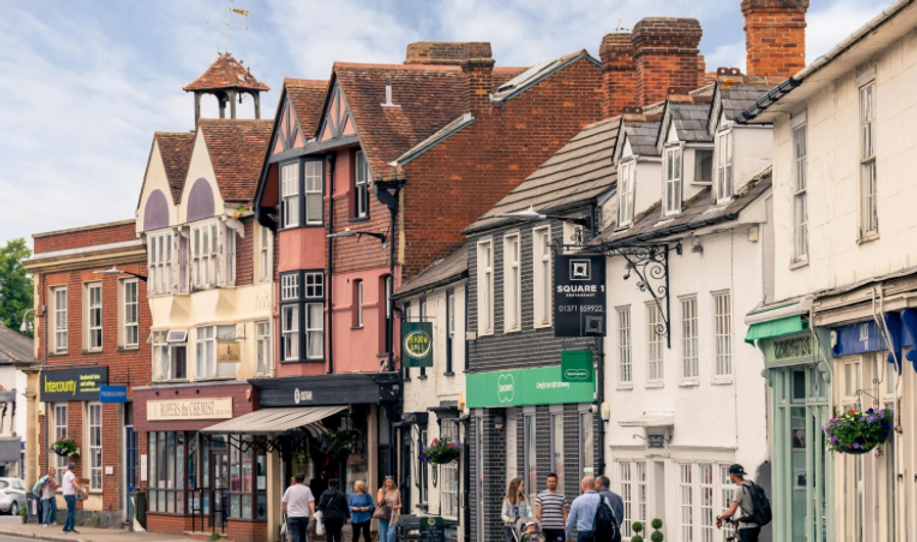
Set in the heart of Essex, Great Dunmow is a charming market town full of character, community spirit, and independent businesses. With its blend of historic architecture and welcoming atmosphere, it offers visitors a shopping and browsing experience that feels personal, memorable, and refreshingly different from the high street chains.
Many of the town’s shops and businesses are based in beautiful period buildings, giving Great Dunmow a distinctive sense of heritage while still feeling vibrant and full of life. From thoughtful gifts and stylish homeware to quality food, drink, and cosy coffee spots, there is plenty to discover as you explore.
The Great Dunmow
Flitch Trials
The Dunmow Flitch Trials™ exist to award a flitch of bacon to married couples from anywhere in the world, if they can satisfy the Judge and Jury of 6 maidens and 6 bachelors that in 'twelvemonth and a day', they have 'not wisht themselves unmarried again'.
A reference to The Dunmow Flitch can even be found in The Wife of Bath's Talewithin Chaucer's 14th century Canterbury Tales.
The Flitch Trials are held every 4 years in Great Dunmow, Essex, England.
 |  |  | |
|---|---|---|---|
 |  |
The Doctors Pond

Doctor’s Pond, is so named due to the widespread belief that it was a breeding ground for leeches, a creature highly sought after by doctors.
Brick House, also known as Doctor’s House, stands beside the Pond, and it is believed that the doctors practicing here sourced a steady supply of leeches from it.
Doctor’s Pond has also played a significant role in maritime history. Lionel Lukin, an inventor from Great Dunmow, is credited with creating the world's first "lifeboat"
Doctor’s Pond served Lukin as the testing ground for his lifeboat models
Artifacts from the Dunmows history covering, World War 2 , Flitch Trials, Railway Station, Fire Brigade, Brewing and more

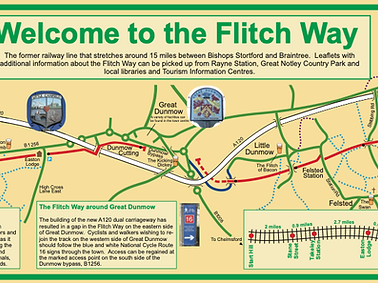
Enjoy 15 miles of flat, traffic free, beautiful Essex countryside following a former railway line from Braintree to Bishops Stortford. Perfect for walking, cycling and horse riding.
Easton Lodge was a Victorian Gothic style stately home to the west of Great Dunmow, Essex in England. Once famous for its weekend society gatherings frequented by the Prince of Wales, it was one of many country houses destroyed during the 20th century. Part of the west wing still stands; and the Grade II listed gardens designed by Harold Peto have been largely restored and opened to the public.

The History of
Great Dunmow
-
Architecture & Industry: The town boasts numerous listed buildings, including a 16th-century malt house and an Old Town Hall built in 1578, highlighting its agricultural and brewing heritage.
-
Administration: It was recognised as a town with a council in 1894 and later adopted armorial bearings in 1956.
-
The Flitch Way: A popular walking and cycling path, the Flitch Way is a former railway line that connects to the area's rich history.
-
Roman & Saxon Roots: The town was established near Roman sites, with reoccupation by 951 AD during the Saxon period, later becoming a notable market centre.
-
The Flitch Trials: An ancient tradition where a "flitch" (side) of bacon is awarded to married couples who can swear they have not regretted their marriage for a year and a day
Great Dunmow has evolved from a small medieval settlement to a thriving, affluent market town, occasionally noted as one of the top 100 most affluent in the UK.